

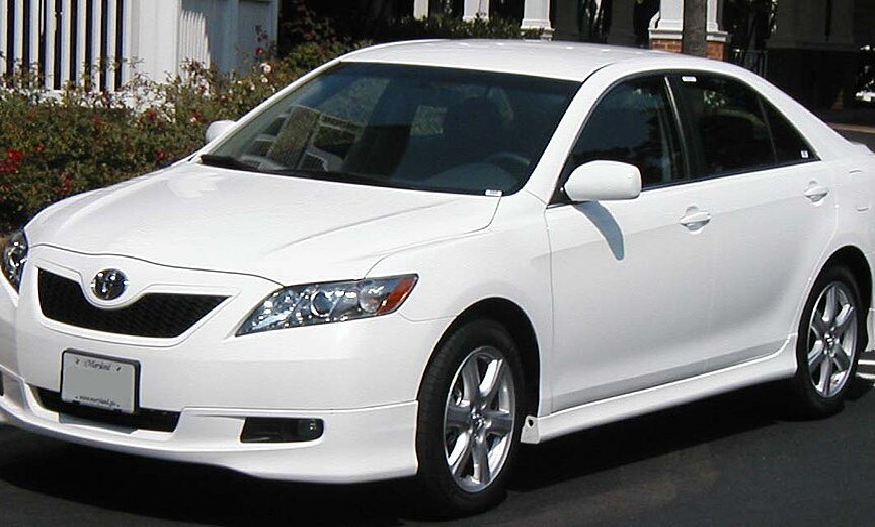
Toyota sold the Camry as the car that never needs anything. For most owners of the 2002-2009 generations that held true for a long time. But these cars are now 17 to 24 years old, many have rolled past 200,000 miles, and a surprising number reach the point where the body is fine, the transmission is fine, and the engine is not.
Before you shop for a whole new car, it helps to know which engine you have, how each one tends to fail, and what a replacement actually involves.
Two generations, four engines
The XV30 Camry (2002-2006) came with the 2.4-liter 2AZ-FE four-cylinder, the 3.0-liter 1MZ-FE V6 and, on later SE models, the 3.3-liter 3MZ-FE V6. The XV40 (2007-2009) kept the 2AZ-FE and introduced the 3.5-liter 2GR-FE V6, rated at 268 horsepower. Your engine code is on a label under the hood and in the eighth character of the VIN, and it matters more than the model year when you go looking for a replacement.
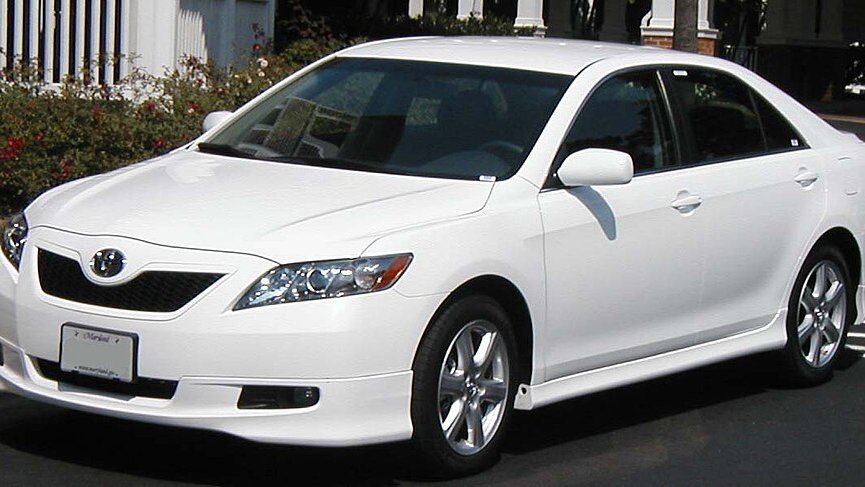
The 2AZ-FE oil problem, in plain terms
The four-cylinder is the one owners ask about most. Toyota acknowledged that some 2AZ-FE engines could consume excessive oil because of piston ring design, and launched Warranty Enhancement Program ZE7, which covered certain 2007-2009 Camry models among other vehicles. A revised piston assembly was released under the ZE7 program. Those coverage windows have long expired, so a 2AZ that drinks a quart every 1,000 miles today is the owner’s problem.
When the consumption gets bad enough to foul plugs or the oil runs low between changes, owners usually compare a rebuild against Toyota Camry 2002-2009 replacement engines. For a car worth a few thousand dollars, a good used engine is often the more sensible path than paying a machine shop to re-ring the original.
What goes wrong on the V6s
The 1MZ-FE and 3MZ-FE are generally durable, though high-mileage examples see oil seepage, worn engine mounts and, on neglected units, sludge from stretched oil change intervals. The 2GR-FE is known for leaks from an oil cooler line on early units, which Toyota addressed with a revised part. None of these require a new engine by themselves. A V6 needs replacing when it has been run low on oil, overheated or has a failing bottom end, and a compression test will tell you which situation you are in.
Matching the replacement properly
- Match the engine code, not just the displacement.
- Confirm whether your car has a California emissions package; the sensors and calibration can differ.
- Keep your own accessories when they are healthy, and ask the installer which ones transfer.
- Plan the timing belt (1MZ and 3MZ use a belt) or confirm the chain condition on the 2AZ and 2GR.
Is it worth it?
For a rust-free Camry with a sound transmission, usually yes. These bodies last, parts are everywhere, and any independent mechanic has done the job before. The calculation changes only if the transmission is also slipping or the car needs major suspension and brake work at the same time. Price the whole repair, compare it with what a similar used car costs locally, and the answer tends to be obvious.
Read More: Used Commercial Trucks for Sale: A Smart Investment for Growing Businesses
One more practical point. Used car prices for reliable midsize sedans stay stubbornly high, and a replacement Camry from the same era comes with its own unknown engine history. Keeping a car whose service record you know, with a fresh engine under the hood, removes one big unknown instead of buying a new set of them.
Whatever you decide, write down the engine code, the mileage of the replacement and the date it went in. Future buyers, and future mechanics, will ask.